



Close

    District Rural Development Agency (DRDA)

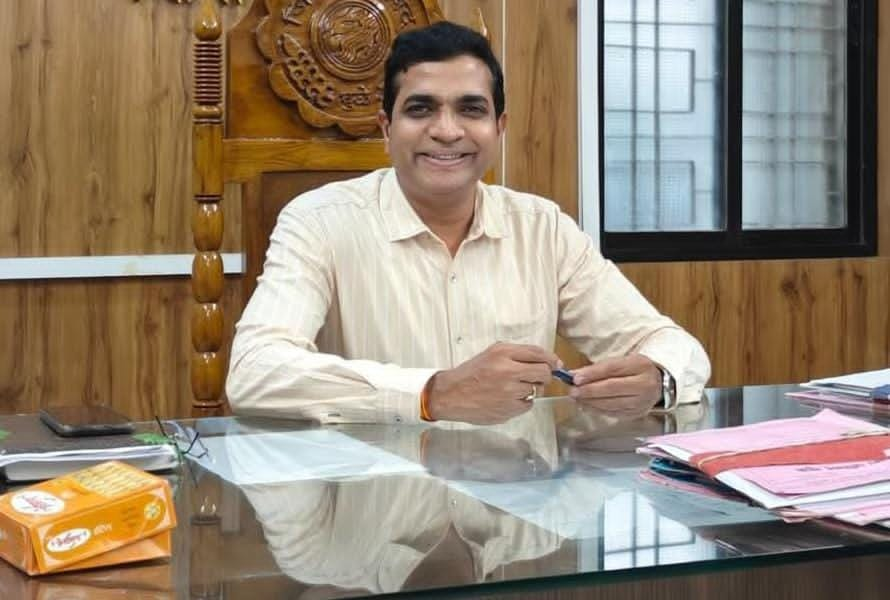
    • महेश पाटील सर

      (Contact No. 9421276669)

    District Rural Development Agency (DRDA)

    The District Rural Development Agency (DRDA) is an important institution responsible for planning, implementation and monitoring of rural development programmes at the district level in India.

    Major Functions of the District Rural Development Agency

    1. Implementation of Rural Development Schemes

    • Mahatma Gandhi National Rural Employment Guarantee Scheme (MGNREGS)
    • Pradhan Mantri Awas Yojana – Gramin (PMAY-G)
    • National Rural Livelihoods Mission (NRLM / UMED)
    • Schemes related to watershed development, road construction, water supply, etc.

    2. Promotion of Economic and Social Development

    • Identification of poor families and providing assistance according to their needs.
    • Promotion and training of Self-Help Groups (SHGs).

    3. Overall Development of Rural Areas

    • Employment generation.
    • Development of infrastructure.
    • Support for agriculture and allied activities.

    4. Training and Monitoring

    • Coordination with Gram Panchayats and Panchayat Samitis.
    • Planning, budgeting and evaluation of various schemes.

    Structure

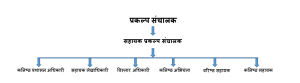
    • District Collector / Chief Executive Officer – Chairperson
    • Project Director – Head of day-to-day administration
    • Gram Sevaks, Technical Officers, Accounts Officers and MIS Staff
    • Block Development Officer (BDO) and other staff coordinate activities at the block level.

    Objective

    To improve the standard of living of rural communities, eradicate poverty and promote sustainable development in rural areas.

    Objectives and Functions of DRDA

    1. Overall Development of Rural Areas

    • Development of infrastructure, employment opportunities, housing, water supply, roads, watershed development and other essential facilities.

    2. Poverty Alleviation

    • Identification of poor families and ensuring that they receive the benefits of Government schemes.

    3. Employment Generation

    • Providing employment opportunities to unemployed persons in rural areas through initiatives such as MGNREGS and skill development programmes.

    4. Promotion of Self-Help Groups

    • Supporting women and rural youth in promoting entrepreneurship and livelihood opportunities.

    5. Strengthening the Rural Economy

    • Providing support to agriculture, animal husbandry and small-scale industries.
    6. Ensuring Transparency in Go

    Cadre-wise Details of Sanctioned, Filled and Vacant Posts

    Sr. No. Name of the Post Sanctioned Posts Filled Posts Vacant Posts Remarks
    1 Project Director 1 1 0
    2 Assistant Project Director 1 1 0
    3 Junior Administrative Officer 1 1 0
    4 Assistant Accounts Officer 1 1 0
    5 Extension Officer 1 0 1
    6 Junior Engineer 1 0 1
    7 Senior Assistant 1 1 0
    8 Junior Assistant 1 0 1
    Total 8 5 3

    Contractual Manpower under Pradhan Mantri Awas Yojana – Gramin through CSC or an External Agency

    Sr. No. Name of the Post Sanctioned Posts Filled Posts Vacant Posts Remarks
    1 District Programmer 1 1 0
    2 District Data Entry Operator 2 1 1
    3 Taluka Data Entry Operator 15 15 0
    4 Rural Housing Engineer 60 56 4
    Total 78 73 5

    Pradhan Mantri Awas Yojana – Gramin

    • Department: Ministry of Rural Development, Government of India
    • Government Decision: The Indira Awaas Yojana was restructured and converted into Pradhan Mantri Awas Yojana – Gramin (PMAY-G) with effect from 1 April 2016.
    • Objective: “Housing for All”

    Key Features

    • To provide housing with basic amenities to houseless families and families living in kutcha houses in rural areas.
    • The house is expected to be constructed with a carpet area of 269 sq. ft., including a kitchen and toilet.
    • Financial assistance of ₹1.20 lakh per beneficiary is admissible for house construction in plain areas and ₹1.30 lakh per beneficiary for beneficiaries in Naxal-affected and hilly areas.
    • Of the targets received under the scheme, 60% is allocated to Scheduled Castes/Scheduled Tribes (SC/ST), 25% to Others and 15% to Minorities. Further, 5% of the total target is mandatorily reserved for persons with disabilities.
    • Funds are transferred to beneficiaries through AwaasSoft, developed by the Ministry of Rural Development, Government of India, and the Public Financial Management System (PFMS).
    • Geographical verification (Geo-Tagging) of house construction is carried out through the Awaas App.
    • Provision has been made for conducting Rural Mason Training.
    • Eligible beneficiaries may avail of a bank loan of up to ₹70,000 under the scheme.

    Beneficiary Selection

    • As per the guidelines issued by the Rural Development and Water Conservation Department vide Letter No. PMAY-G-2016/Pr.Kr.203/Yojana-10 dated 01/08/2016, beneficiaries are selected from the Permanent Wait List (PWL) prepared by the Gram Sabha based on the Socio-Economic and Caste Census (SECC-2011) data, as well as from the PWL prepared by the Gram Sabha based on the survey conducted under Form D during 2018-19.
    • The beneficiary family should not have availed the benefit of any housing scheme anywhere in the State of Maharashtra.

    Financial Assistance

    • The Centre-State fund-sharing ratio is 60:40.
    • Funds are transferred in instalments from the State Nodal Account to the bank/post office accounts of beneficiaries through AwaasSoft and PFMS under the Direct Benefit Transfer (DBT) system.
    • In addition to the housing assistance, eligible beneficiaries are provided:
      • ₹12,000 as an incentive for construction of a toilet under the Swachh Bharat Mission (SBM).
      • Wages for 90 days of unskilled employment under MGNREGA, amounting to approximately ₹28,080.

    New Survey

    A new survey has commenced from 1 April 2025, and the verification of eligible families under the survey is currently underway.

    Pradhan Mantri Janjati Adivasi Nyaya Maha Abhiyan (PM-JANMAN)

    • Department: Ministry of Rural Development, Government of India
    • Central Government Decision: The Pradhan Mantri Janjati Adivasi Nyaya Maha Abhiyan (PM-JANMAN) was announced on 15 November 2023, on the occasion of Janjatiya Gaurav Divas.
    • Objective: To provide basic facilities, including housing, to Particularly Vulnerable Tribal Groups (PVTGs) and improve their socio-economic conditions.

    Key Features

    • To provide housing with basic amenities to houseless families and families living in kutcha houses in rural areas.
    • The house is expected to be constructed with a carpet area of 269 sq. ft., including a kitchen and toilet.
    • Financial assistance of ₹2.00 lakh per beneficiary is admissible for construction of houses under the scheme.
    • The scheme is being implemented for the three Particularly Vulnerable Tribal Groups (PVTGs) in Maharashtra: Kolam, Katkari and Madia Gond.
    • Funds are transferred to beneficiaries through AwaasSoft, developed by the Ministry of Rural Development, Government of India, and the Public Financial Management System (PFMS).
    • Geographical verification (Geo-Tagging) of house construction is carried out through the Awaas App.
    • Provision has been made for conducting Rural Mason Training.
    • Eligible beneficiaries may avail of a bank loan of up to ₹70,000 under the scheme.

    Beneficiary Selection

    • Beneficiaries are selected through a survey conducted for eligible families belonging to Particularly Vulnerable Tribal Groups (PVTGs) under the Pradhan Mantri Janjati Adivasi Nyaya Maha Abhiyan (PM-JANMAN) by the Rural Development and Panchayati Raj Department.
    • The beneficiary must be living in a kutcha house.
    • The beneficiary should not be employed in a Government job.

    Financial Assistance

    • The Centre-State fund-sharing ratio is 60:40.
    • Funds are transferred in instalments from the State Nodal Account to the bank/post office accounts of beneficiaries through AwaasSoft and PFMS under the Direct Benefit Transfer (DBT) system.
    • In addition to the housing assistance, eligible beneficiaries are provided:
      • ₹12,000 as an incentive for construction of a toilet under the Swachh Bharat Mission (SBM).
      • Wages for 90 days of unskilled employment under MGNREGA, amounting to approximately ₹28,080.

    Ramai Awas Yojana

    • Department: Social Justice and Special Assistance Department, Government of Maharashtra
    • Government Resolutions:
      • As per the Government Resolution dated 15 November 2008 issued by the Social Justice and Special Assistance Department, a housing scheme was introduced in the State for Scheduled Caste and Neo-Buddhist communities.
      • The actual implementation of the housing scheme commenced as per the Government Resolution dated 9 March 2010.
      • As per the Government Resolution dated 19 November 2011, the housing scheme for Scheduled Castes and Neo-Buddhist communities was renamed “Ramai Awas Yojana.”
    • Objective: To provide housing to Scheduled Caste (SC) and Neo-Buddhist communities in the State.

    Key Features

    • 100% State-sponsored scheme.
    • The house is expected to be constructed with a carpet area of 269 sq. ft., including a kitchen and toilet.
    • Financial assistance of ₹1.20 lakh per beneficiary is admissible for house construction in plain areas and ₹1.30 lakh per beneficiary for beneficiaries in Naxal-affected and hilly areas.
    • 5% of the houses under the Scheduled Caste category are reserved for beneficiaries with disabilities.
    • Funds are transferred to beneficiaries through the AwaasSoft and Public Financial Management System (PFMS).
    • Geographical verification (Geo-Tagging) of house construction is carried out through the Awaas App.
    • The scheme is implemented on the lines of the Pradhan Mantri Awas Yojana – Gramin (PMAY-G).

    Beneficiary Selection

    • The beneficiary selection criteria have been prescribed as per the Government Resolution dated 30 September 2016 issued by the Social Justice and Special Assistance Department.
    • Beneficiaries are selected by the Gram Sabha as per the prescribed criteria. The selected list is forwarded by the Block Development Officer (BDO) to the District-Level Committee for final approval.
    • The beneficiary should be outside the Permanent Wait List (PWL) under PMAY-G, and the beneficiary family should not have availed the benefit of any housing scheme anywhere in the State of Maharashtra.

    Financial Assistance

    • Funds are provided by the Social Justice and Special Assistance Department.
    • Funds are transferred in instalments from the State Nodal Account (SNA) to the bank/post office accounts of beneficiaries through AwaasSoft and PFMS under the Direct Benefit Transfer (DBT) system.
    • In addition to the housing assistance, eligible beneficiaries are provided:
      • ₹12,000 as an incentive for construction of a toilet under the Swachh Bharat Mission (SBM).
      • Wages for 90 days of unskilled employment under MGNREGA, amounting to approximately ₹28,080.

    Shabari Awas Yojana

    • Department: Tribal Development Department, Government of Maharashtra
    • Government Resolution: As per the Government Resolution dated 28 March 2013 issued by the Tribal Development Department, the “Shabari Awas Yojana” is being implemented to provide houses to eligible beneficiaries belonging to the Scheduled Tribe (ST) category.
    • Objective: To provide housing to Scheduled Tribe (ST) communities in the State.

    Key Features

    • 100% State-sponsored scheme.
    • The house is expected to be constructed with a carpet area of 269 sq. ft., including a kitchen and toilet.
    • Financial assistance of ₹1.20 lakh per beneficiary is admissible for house construction in plain areas and ₹1.30 lakh per beneficiary for beneficiaries in Naxal-affected and hilly areas.
    • 5% of the houses under the Scheduled Tribe category are reserved for beneficiaries with disabilities.
    • Funds are transferred to beneficiaries through AwaasSoft and the Public Financial Management System (PFMS).
    • Geographical verification (Geo-Tagging) of house construction is carried out through the Awaas App.
    • The scheme is implemented on the lines of the Pradhan Mantri Awas Yojana – Gramin (PMAY-G).

    Beneficiary Selection

    • As per the Government Resolution dated 15 March 2016 issued by the Tribal Development Department, beneficiaries are selected based on the Socio-Economic and Caste Census (SECC).
    • Beneficiaries are selected by the Gram Sabha as per the criteria prescribed in the Government Resolution. The selected list is forwarded by the Block Development Officer (BDO) to the District-Level Committee for final approval.
    • The beneficiary should be outside the Permanent Wait List (PWL) under PMAY-G, and the beneficiary family should not have availed the benefit of any housing scheme anywhere in the State of Maharashtra.

    Financial Assistance

      • Funds are provided by the Tribal Development Department.
      • Funds are transferred in instalments from the State Nodal Account (SNA) to the bank/post office accounts of beneficiaries through AwaasSoft and PFMS under the Direct Benefit Transfer (DBT) system.
      • In addition to the housing assistance, eligible beneficiaries are provided:
        • ₹12,000 as an incentive for construction of a toilet under the Swachh Bharat Mission (SBM).
        • Wages for 90 days of unskilled employment under MGNREGA, amounting to approximately ₹28,080.

    Pardhi Awas Yojana

    • Department: Tribal Development Department, Government of Maharashtra
    • Government Resolution:
      • As per the Government Resolution dated 27 May 2016 issued by the Tribal Development Department, houses sanctioned under the “Pardhi Development Programme” are constructed as per the criteria prescribed under the Shabari Adivasi Awas Yojana.
    • Objective: To provide housing to members of the Pardhi community in the State.

    Key Features

    • 100% State-sponsored scheme.
    • The house is expected to be constructed with a carpet area of 269 sq. ft., including a kitchen and toilet.
    • Financial assistance of ₹1.20 lakh per beneficiary is admissible for house construction in plain areas and ₹1.30 lakh per beneficiary for beneficiaries in Naxal-affected and hilly areas.
    • 5% of the houses under the Scheduled Tribe category are reserved for beneficiaries with disabilities.
    • Funds are transferred to beneficiaries through AwaasSoft and the Public Financial Management System (PFMS).
    • Geographical verification (Geo-Tagging) of house construction is carried out through the Awaas App.
    • The scheme is implemented on the lines of the Pradhan Mantri Awas Yojana – Gramin (PMAY-G).

    Beneficiary Selection

    • As per the Government Resolution dated 15 March 2016 issued by the Tribal Development Department, beneficiaries are selected based on the Socio-Economic and Caste Census (SECC).
    • Beneficiaries are selected by the Gram Sabha as per the criteria prescribed in the Government Resolution. The selected list is forwarded by the Block Development Officer (BDO) to the District-Level Committee for final approval.
    • The final selection of beneficiaries belonging to the Pardhi community selected by the Gram Sabha is made as per the provisions of the Government Resolution dated 28 March 2013, under which a House Construction Committee for rural areas has been constituted.
    • The beneficiary should be outside the Permanent Wait List (PWL) under PMAY-G, and the beneficiary family should not have availed the benefit of any housing scheme anywhere in the State of Maharashtra.

    Financial Assistance

    • Funds are provided by the Tribal Development Department.
    • Funds are transferred in instalments from the State Nodal Account (SNA) to the bank/post office accounts of beneficiaries through AwaasSoft and PFMS under the Direct Benefit Transfer (DBT) system.
    • In addition to the housing assistance, eligible beneficiaries are provided:
      • ₹12,000 as an incentive for construction of a toilet under the Swachh Bharat Mission (SBM).
      • Wages for 90 days of unskilled employment under MGNREGA, amounting to approximately ₹28,080.

    Adim Awas Yojana

    • Department: Tribal Development Department, Government of Maharashtra
    • Government Resolutions:
      • As per the Government Resolution dated 31 March 2016 issued by the Tribal Development Department, the scheme is implemented through the State Management Unit – Rural Housing.
      • As per the Government Resolution dated 7 February 2017 issued by the Tribal Development Department, houses sanctioned under the Particularly Vulnerable Tribal Groups (PVTG) Development Programme are constructed as per the criteria prescribed under the Shabari Adivasi Awas Yojana.
    • Objective: To provide housing to the Katkari, Madia Gond and Kolam tribal communities in the State.

    Key Features

    • 100% State-sponsored scheme.
    • The house is expected to be constructed with a carpet area of 269 sq. ft., including a kitchen and toilet.
    • Financial assistance of ₹1.20 lakh per beneficiary is admissible for house construction in plain areas and ₹1.30 lakh per beneficiary for beneficiaries in Naxal-affected and hilly areas.
    • 5% of the houses under the Scheduled Tribe category are reserved for beneficiaries with disabilities.
    • Funds are transferred to beneficiaries through AwaasSoft and the Public Financial Management System (PFMS).
    • Geographical verification (Geo-Tagging) of house construction is carried out through the Awaas App.
    • The scheme is implemented on the lines of the Pradhan Mantri Awas Yojana – Gramin (PMAY-G).

    Beneficiary Selection

    • As per the Government Resolution dated 15 March 2016 issued by the Tribal Development Department, beneficiaries are selected based on the Socio-Economic and Caste Census (SECC).
    • Beneficiaries are selected by the Gram Sabha as per the criteria prescribed in the Government Resolution. The selected list is forwarded by the Block Development Officer (BDO) to the District-Level Committee for final approval.
    • The final selection of beneficiaries belonging to the Pardhi community selected by the Gram Sabha is made as per the Government Resolution dated 28 March 2013, under which a House Construction Committee for rural areas has been constituted.
    • The beneficiary should be outside the Permanent Wait List (PWL) under PMAY-G, and the beneficiary family should not have availed the benefit of any housing scheme anywhere in the State of Maharashtra.

    Financial Assistance

    • Funds are provided by the Tribal Development Department.
    • Funds are transferred in instalments from the State Nodal Account (SNA) to the bank/post office accounts of beneficiaries through AwaasSoft and PFMS under the Direct Benefit Transfer (DBT) system.
    • In addition to the housing assistance, eligible beneficiaries are provided:
      • ₹12,000 as an incentive for construction of a toilet under the Swachh Bharat Mission (SBM).
      • Wages for 90 days of unskilled employment under MGNREGA, amounting to approximately ₹28,080.

    Yashwantrao Chavan Mukt Vasahat Yojana

    • Department: Vimukta Jati, Nomadic Tribes, Other Backward Classes and Special Backward Classes Welfare Department, Government of Maharashtra
    • Government Resolution: The scheme was introduced in the State as per the Government Resolution dated 24 January 2018 issued by the Vimukta Jati, Nomadic Tribes, Other Backward Classes and Special Backward Classes Welfare Department.
    • Objective: To provide housing facilities to persons belonging to the Vimukta Jati and Nomadic Tribes (VJNT) communities.

    Key Features

    • 100% State-sponsored scheme.
    • Where Government land is available under the scheme, a cluster-based housing project for a minimum of 10 families is implemented. Houses are constructed for individual beneficiaries on the lines of the Ramai Awas Yojana, along with civic amenities such as water supply, electricity supply, septic tanks, internal drainage and internal roads. An amount of ₹44.31 lakh per settlement is provided for these facilities, with proportionate funds made available for every additional eligible group of 10 families.
    • The house is expected to be constructed with a carpet area of 269 sq. ft., including a kitchen and toilet.
    • Financial assistance of ₹1.20 lakh per beneficiary is admissible for house construction in plain areas and ₹1.30 lakh per beneficiary for beneficiaries in Naxal-affected and hilly areas.
    • Funds are transferred to beneficiaries through AwaasSoft and the Public Financial Management System (PFMS).
    • Geographical verification (Geo-Tagging) of house construction is carried out through the Awaas App.
    • Individual beneficiaries are provided benefits on the lines of the Pradhan Mantri Awas Yojana – Gramin (PMAY-G).

    Beneficiary Selection

    • Beneficiaries are selected as per the Government Resolution dated 24 January 2018 issued by the Vimukta Jati, Nomadic Tribes, Other Backward Classes and Special Backward Classes Welfare Department.
    • The beneficiary should be outside the Permanent Wait List (PWL) under PMAY-G, and the beneficiary family should not have availed the benefit of any housing scheme anywhere in the State of Maharashtra.

    Financial Assistance

    • Funds for the Yashwantrao Chavan Mukt Vasahat Yojana are provided by the Directorate of Vimukta Jati, Nomadic Tribes, Other Backward Classes and Special Backward Classes Welfare.
    • Under the scheme, an amount of ₹31 lakh is stated to be provided by the Department for a settlement of 10 beneficiaries.
    • Funds are transferred in instalments from the State Nodal Account (SNA) to the bank/post office accounts of beneficiaries through AwaasSoft and PFMS under the Direct Benefit Transfer (DBT) system.
    • In addition to the housing assistance, eligible beneficiaries are provided:
      • ₹12,000 as an incentive for construction of a toilet under the Swachh Bharat Mission (SBM).
      • Wages for 90 days of unskilled employment under MGNREGA, amounting to approximately ₹28,080.

    Punyashlok Ahilyadevi Holkar Awas Yojana

    • Department: Other Backward Classes, Socially and Educationally Backward Classes, Nomadic Tribes, Vimukta Jati and Special Backward Classes Welfare Department, Government of Maharashtra
    • Government Resolution: The Punyashlok Ahilyadevi Holkar Awas Yojana (Rural) was introduced in the State as per the Government Resolution dated 6 September 2019 issued by the concerned Welfare Department.
    • Objective: To provide housing to members of the Dhangar community residing in rural areas of the State.

    Key Features

    • 100% State-sponsored scheme.
    • The house is expected to be constructed with a carpet area of 269 sq. ft., including a kitchen and toilet.
    • Financial assistance of ₹1.20 lakh per beneficiary is admissible for house construction in plain areas and ₹1.30 lakh per beneficiary for beneficiaries in Naxal-affected and hilly areas.
    • Funds are transferred to beneficiaries through AwaasSoft and the Public Financial Management System (PFMS).
    • Geographical verification (Geo-Tagging) of house construction is carried out through the Awaas App.
    • Individual beneficiaries are provided benefits on the lines of the Pradhan Mantri Awas Yojana – Gramin (PMAY-G).

    Beneficiary Selection

    • Beneficiaries are selected as per the Government Resolution dated 24 January 2018 issued by the Vimukta Jati, Nomadic Tribes, Other Backward Classes and Special Backward Classes Welfare Department.
    • The beneficiary should be outside the Permanent Wait List (PWL) under PMAY-G, and the beneficiary family should not have availed the benefit of any housing scheme anywhere in the State of Maharashtra.

    Financial Assistance

    • Funds for the Punyashlok Ahilyadevi Holkar Awas Yojana are provided by the Directorate of Vimukta Jati, Nomadic Tribes, Other Backward Classes and Special Backward Classes Welfare.
    • Funds are transferred in instalments from the State Nodal Account (SNA) to the bank/post office accounts of beneficiaries through AwaasSoft and PFMS under the Direct Benefit Transfer (DBT) system.
    • In addition to the housing assistance, eligible beneficiaries are provided:
      • ₹12,000 as an incentive for construction of a toilet under the Swachh Bharat Mission

    Modi Awas Yojana

    • Department: Other Backward Bahujan Welfare Department, Government of Maharashtra
    • Government Resolution: The Modi Awas Yojana was introduced in the State as per the Government Resolution dated 28 July 2023 issued by the Other Backward Bahujan Welfare Department.
    • Objective: To provide housing facilities to persons belonging to the Other Backward Classes (OBC), Special Backward Classes (SBC), Vimukta Jati and Nomadic Tribes (VJNT) communities.

    Key Features

    • 100% State-sponsored scheme.
    • The house is expected to be constructed with a carpet area of 269 sq. ft., including a kitchen and toilet.
    • Financial assistance of ₹1.20 lakh per beneficiary is admissible for house construction in plain areas and ₹1.30 lakh per beneficiary for beneficiaries in Naxal-affected and hilly areas.
    • 5% of the houses for beneficiaries belonging to the Other Backward Classes (OBC) category are reserved for persons with disabilities.
    • Funds are transferred to beneficiaries through AwaasSoft and the Public Financial Management System (PFMS).
    • Geographical verification (Geo-Tagging) of house construction is carried out through the Awaas App.
    • The scheme is implemented on the lines of the Pradhan Mantri Awas Yojana – Gramin (PMAY-G).

    Beneficiary Selection

    Beneficiaries are selected as per the Government Resolutions dated 28 July 2023 and 10 June 2024 issued by the Other Backward Bahujan Welfare Department.

    Eligible beneficiaries are selected from the following categories:

    1. Beneficiaries whose names are included in the Awaas Plus waiting list.
    2. Eligible beneficiaries registered on the Awaas Plus system whose applications were rejected through the automatic system.
    3. Beneficiaries recommended by the District-Level Selection Committee.

    Eligible beneficiaries belonging to the Other Backward Classes (OBC) category covered under the above three categories are provided benefits under the scheme.

    Financial Assistance

    • Funds for the Modi Awas Yojana are provided by the Other Backward Bahujan Welfare Department.
    • Funds are transferred in instalments from the State Nodal Account (SNA) to the bank/post office accounts of beneficiaries through AwaasSoft and PFMS under the Direct Benefit Transfer (DBT) system.
    • In addition to the housing assistance, eligible beneficiaries are provided:
      • ₹12,000 as an incentive for construction of a toilet under the Swachh Bharat Mission (SBM).
      • Wages for 90 days of unskilled employment under MGNREGA, amounting to approximately ₹28,080.

    Atal Construction Workers Housing Scheme (Rural)

    • Department: Industries, Energy and Labour Department, Government of Maharashtra
    • Government Resolution: The Atal Construction Workers Housing Scheme (Rural) was introduced in the State as per the Government Resolution dated 14 January 2019 issued by the Industries, Energy and Labour Department.
    • Objective: To provide housing facilities to registered (active) construction workers residing in rural areas of the State.

    Key Features

    • 100% State-sponsored scheme.
    • The house is expected to be constructed with a carpet area of 269 sq. ft., including a kitchen and toilet.
    • Financial assistance of ₹1.50 lakh per house is provided under the scheme.
    • Funds are transferred to beneficiaries through AwaasSoft and the Public Financial Management System (PFMS).
    • Geographical verification (Geo-Tagging) of house construction is carried out through the Awaas App.
    • The scheme is implemented on the lines of the Pradhan Mantri Awas Yojana – Gramin (PMAY-G).

    Beneficiary Selection

    • A District-Level Beneficiary Selection Committee, chaired by the Additional Labour Commissioner, has been constituted to scrutinize applications received under the Atal Construction Workers Housing Scheme (Rural) from registered (active) construction workers residing in rural areas who are registered with the Maharashtra Building and Other Construction Workers Welfare Board.
    • The department provides the Taluka-wise list of beneficiaries to the Chief Executive Officer, Zilla Parishad.
    • The beneficiary should be outside the Permanent Wait List (PWL) under PMAY-G, and the beneficiary family should not have availed the benefit of any housing scheme anywhere in the State of Maharashtra.

    Financial Assistance

    • Funds for the Atal Construction Workers Housing Scheme are provided by the Industries, Energy and Labour Department.
    • Funds are transferred in instalments from the State Nodal Account (SNA) to the bank/post office accounts of beneficiaries through AwaasSoft and PFMS under the Direct Benefit Transfer (DBT) system.

    Pandit Deendayal Upadhyay Housing Plot Purchase Financial Assistance Scheme

    • Department: Rural Development Department, Government of Maharashtra
    • Objective: To provide financial assistance for the purchase of land to landless beneficiaries who are eligible for housing under Central and State-sponsored rural housing schemes but do not own land for construction of a house.
    • Key Feature: A minimum land area of 500 sq. ft. is provided for construction of a house.
    • Beneficiary Selection: Beneficiaries are selected with the approval of the Taluka-Level Committee.

    Financial Assistance

    • 100% State-sponsored scheme.
    • Under the scheme, financial assistance is provided to each eligible beneficiary for the purchase of a 500 sq. ft. plot. The assistance is limited to the actual cost of the land or ₹1,00,000, whichever is lower.